Your Productivity Tools Are Competing for Your Attention (Instead of Supporting It)
Most productivity tools claim to help focus.
But many quietly do the opposite.
They compete for attention — the very thing they promise to protect.
When Engagement Becomes the Goal
Over time, productivity software adopted the same metrics as social platforms:
- Daily active use
- Notifications opened
- Features engaged
The result?
Tools optimized for interaction, not clarity.
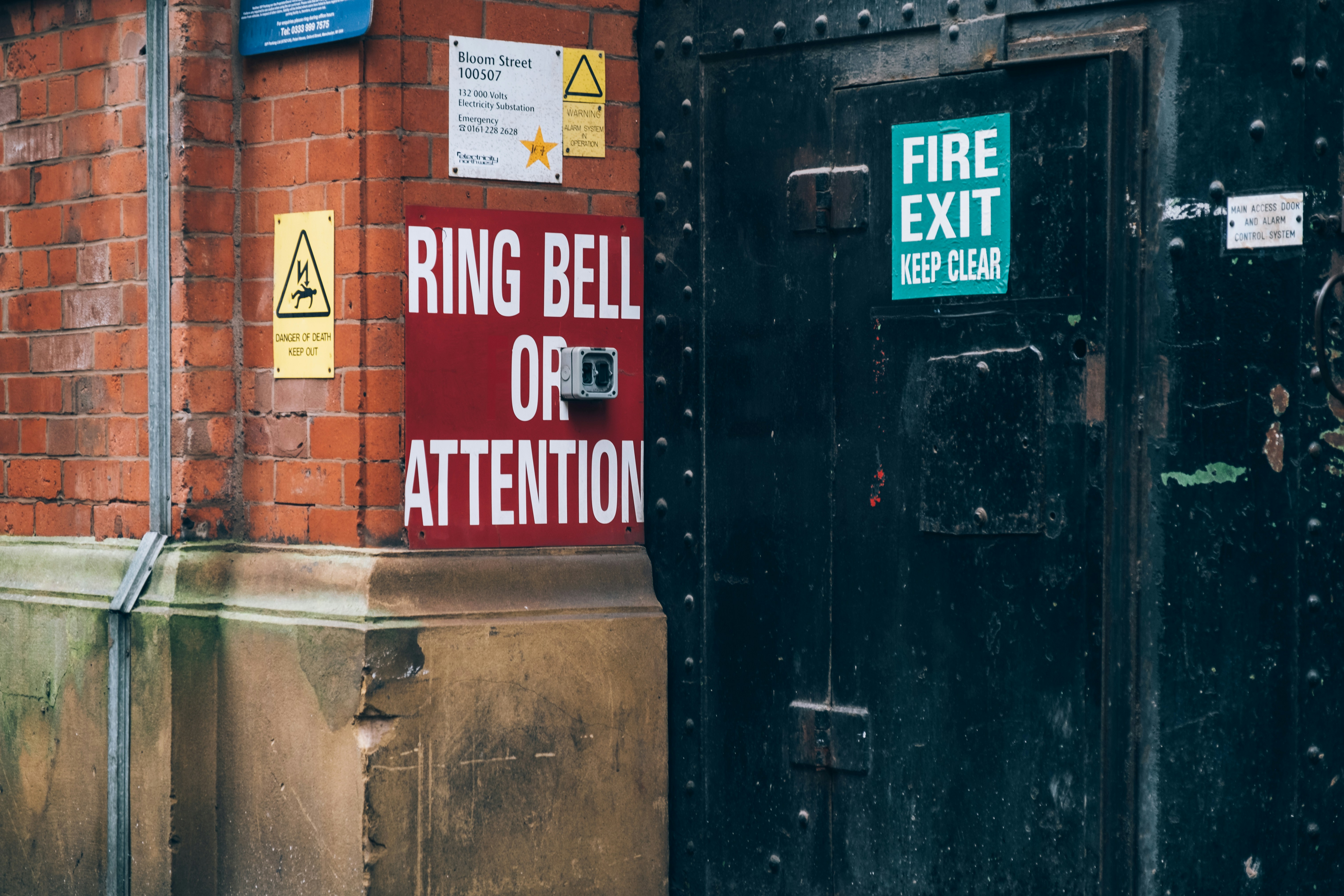
Badges. Alerts. Pings. Reminders.
Each one interrupts thought under the banner of "help."
The Attention Tax You Don't Notice
Individually, notifications feel harmless.
Collectively, they fragment thinking.
Every interruption forces the brain to:
- Reorient
- Remember context
- Re-decide what mattered
That cognitive tax accumulates quietly draining focus throughout the day.
Why "More Visibility" Isn't Better
Many tools assume that showing everything creates control.
In reality, it creates noise.
When every task is visible:
- Priorities blur
- Urgency inflates
- Mental load spikes
The brain doesn't need to see everything at once.
It needs to see the right things at the right time.
What Clarity First Tools Do Differently
Clarity first systems:
- Reduce what's visible by default
- Minimize notifications
- Emphasize context over volume
They don't demand attention.
They earn trust by staying quiet until needed.
Some newer platforms achieve this by consolidating work into one place while still keeping personal and professional data clearly separated reducing tool sprawl without collapsing mental contexts.
Attention Is the New Bottleneck
In 2026, time isn't the limiting factor.
Attention is.
Any tool that fragments it — no matter how powerful — works against productivity—and "helpful" stacks often graduate into the quiet failure mode of modern tools: compliant usage, flat trajectory.
Final Thought
The best productivity tools don't shout.
They step back.
And in that silence, focus returns.